
Accelerated Pilot Training vs. Traditional Flight Lessons: 2026 Guide
 Blitz Aviation Team
 Compare accelerated pilot training versus traditional Part 61 flight lessons. Evaluate training speed, total financial cost, retention rates, and career progression.

When embarking on flight training, one of the most critical decisions you will make is choosing between accelerated pilot training and traditional, self-paced lessons. Both training formats produce fully certified FAA pilots, but they serve very different lifestyles, personal budgets, and career timelines.
At Blitz Aviation, we support both flexible Part 61 training and intensive accelerated pathways. In this guide, we break down the practical tradeoffs, timelines, and career return on investment to help you choose the best route for your aviation goals.
Comparing Training Formats Side by Side
| Feature | Accelerated Pilot Training | Traditional Flight Lessons |
|---|---|---|
| Pace | 5–6 days per week (Full-Time) | 1–2 days per week (Part-Time) |
| PPL Timeline | 3 to 6 Weeks | 9 to 18 Months |
| Zero to Commercial / CFI | 7 to 9 Months (Blitz Program) | 2.5 to 4 Years |
| Knowledge Retention | Very High (Immediate daily application) | Moderate (Requires periodic review) |
| Total Hobbs Flight Hours | Closer to FAA minimums (45–55 hrs PPL) | Typically higher (65–80 hrs PPL) |
| Lifestyle Fit | Career changers, gap-year students, full-time | Working professionals, college students |
Understanding these distinctions helps you plan your training budget and timeline before scheduling your first flight block.
Why Fast-Track Training Delivers Superior Career Momentum
Accelerated flight training is the gold standard for candidates aiming for commercial aviation, corporate jet charters, or airline cockpits. Learn more about the daily routine in our guide on how accelerated flight training works.
1. Build Airline Seniority Years Ahead of Peers
In airline aviation, seniority dictates your entire career progression, including hourly pay scale, equipment type, captain upgrades, and monthly schedule flexibility. Earning your commercial license and flight instructor certificates in 7 to 9 months rather than 3 years puts you in the airline hiring pipeline 24+ months ahead of peers, unlocking substantial lifetime earnings.
2. Maximize Training Efficiency and Lower Total Hours
While accelerated training requires concentrated funding, it frequently costs less in total flight expenses. Spacing lessons a week apart causes skill degradation between flights, requiring extra aircraft hours just to regain proficiency before an FAA checkride. Continuous immersion keeps your muscle memory and scan sharp every day.
3. Comprehensive Loan and Funding Solutions
With financing partners like Stratus Financial and Flight Training Finance, accelerated students can finance 100% of flight training costs and living expenses with flexible deferred repayment options until after graduation.
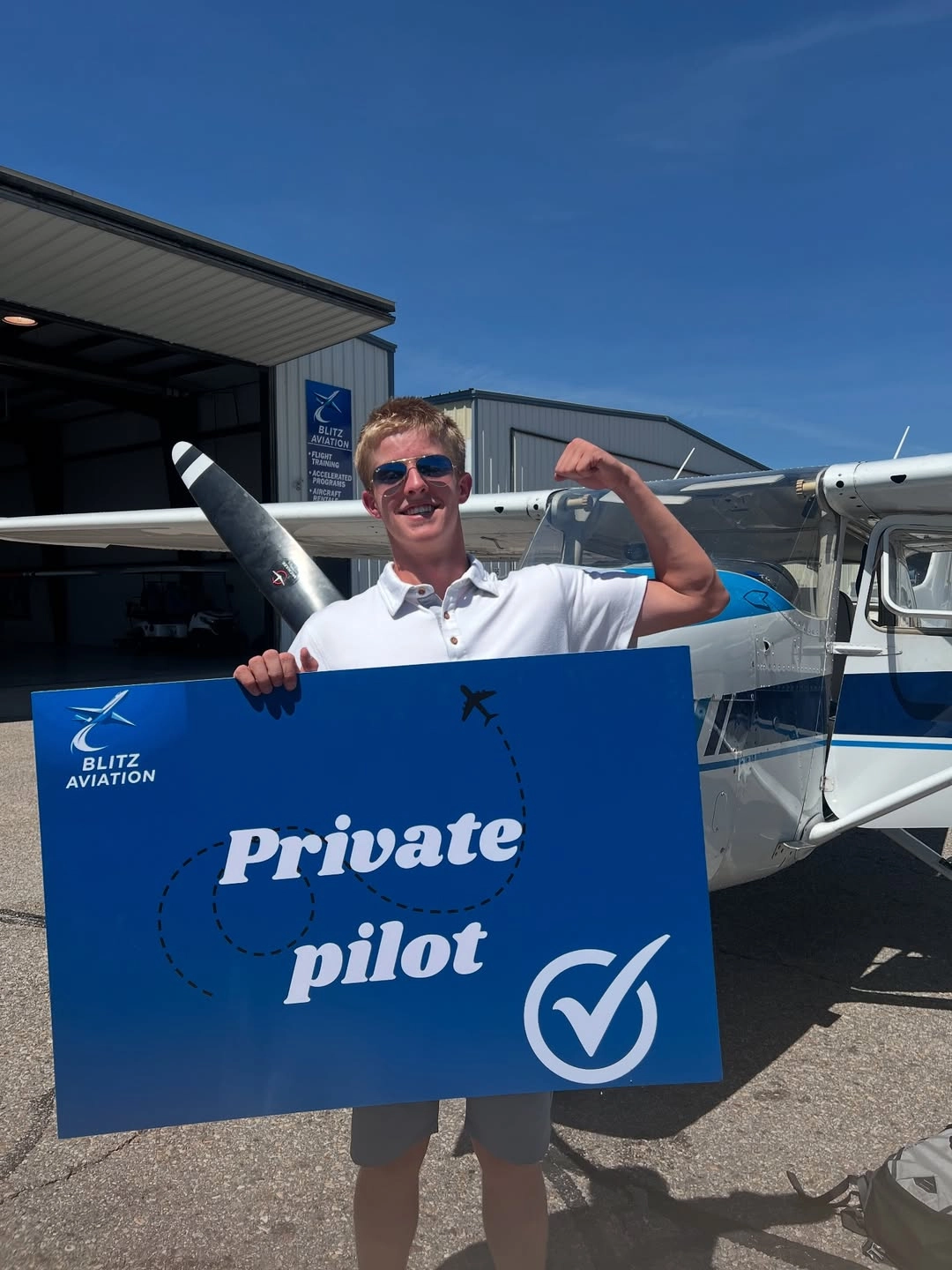
Choosing Flexible Self-Paced Training for Personal Flying
Traditional, self-paced Part 61 training is ideal if:
- You have rigid full-time work or family commitments that prevent multi-hour daily training blocks.
- You are flying purely for personal recreation and prefer pay-as-you-go funding without taking on loan financing.
- You enjoy a relaxed learning pace spread across multiple seasons.
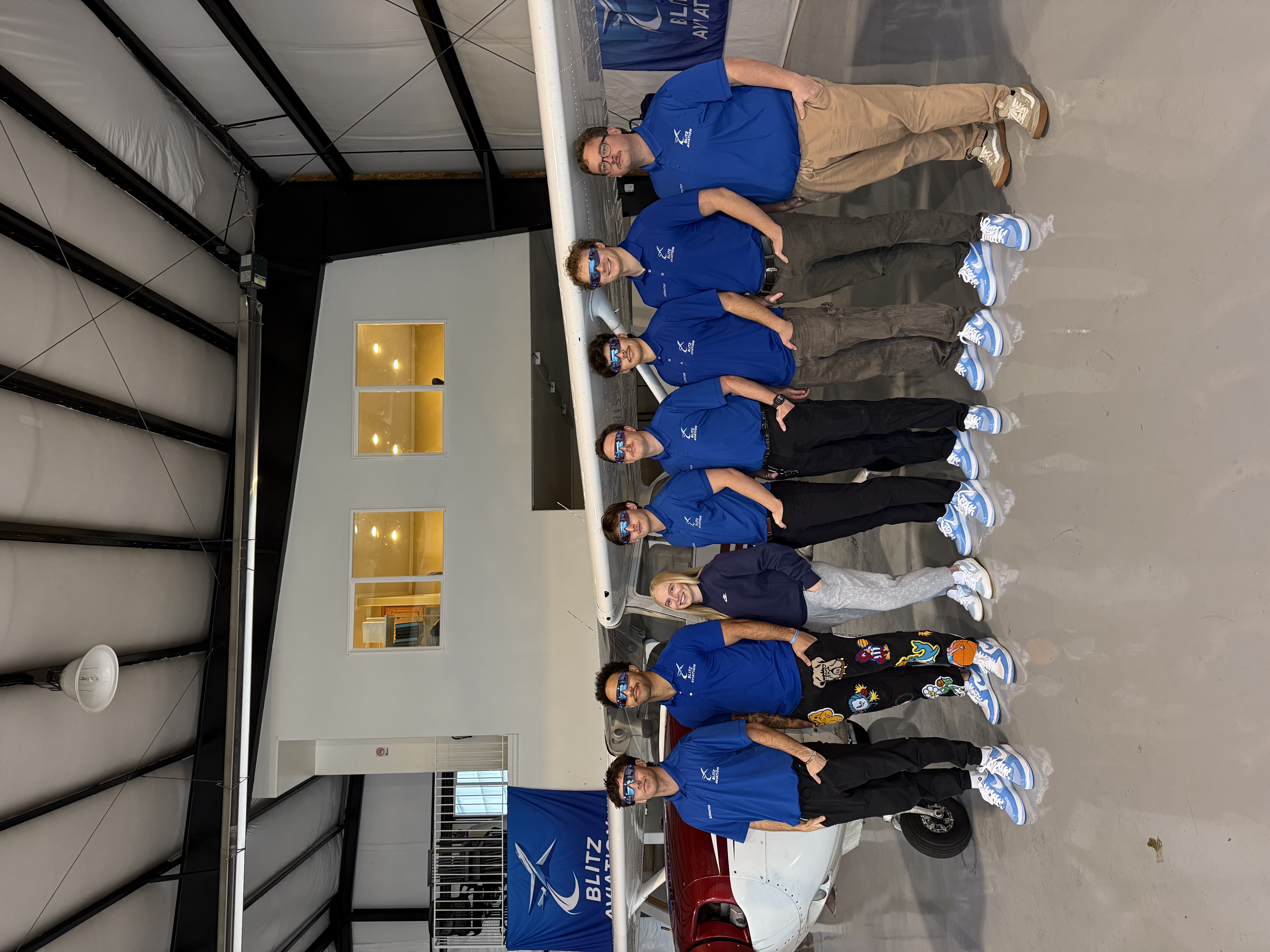
Pick the Ideal Training Track for Your Flying Goals
If your objective is to turn aviation into a lucrative, high-demand profession, our intensive accelerated flight training programs offer the highest return on investment and fastest route to the right seat of a commercial cockpit.
Ready to map out your personalized flight training timeline? Contact Blitz Aviation at Ogden-Hinckley Airport today to schedule a personal training consultation with our chief flight instructors.
Blitz Aviation
Professional flight training school near Salt Lake City, Utah, specializing in accelerated pilot programs. Get your pilot license faster with our experienced instructors and modern fleet.