How to Evaluate a Training Airport: A 2026 Checklist for Student Pilots
 Mycah Pittman
 Judge any training airport before you enroll. Score traffic, airspace, wind, aircraft, instructors, commute, and nearby services with this 2026 checklist for student pilots.
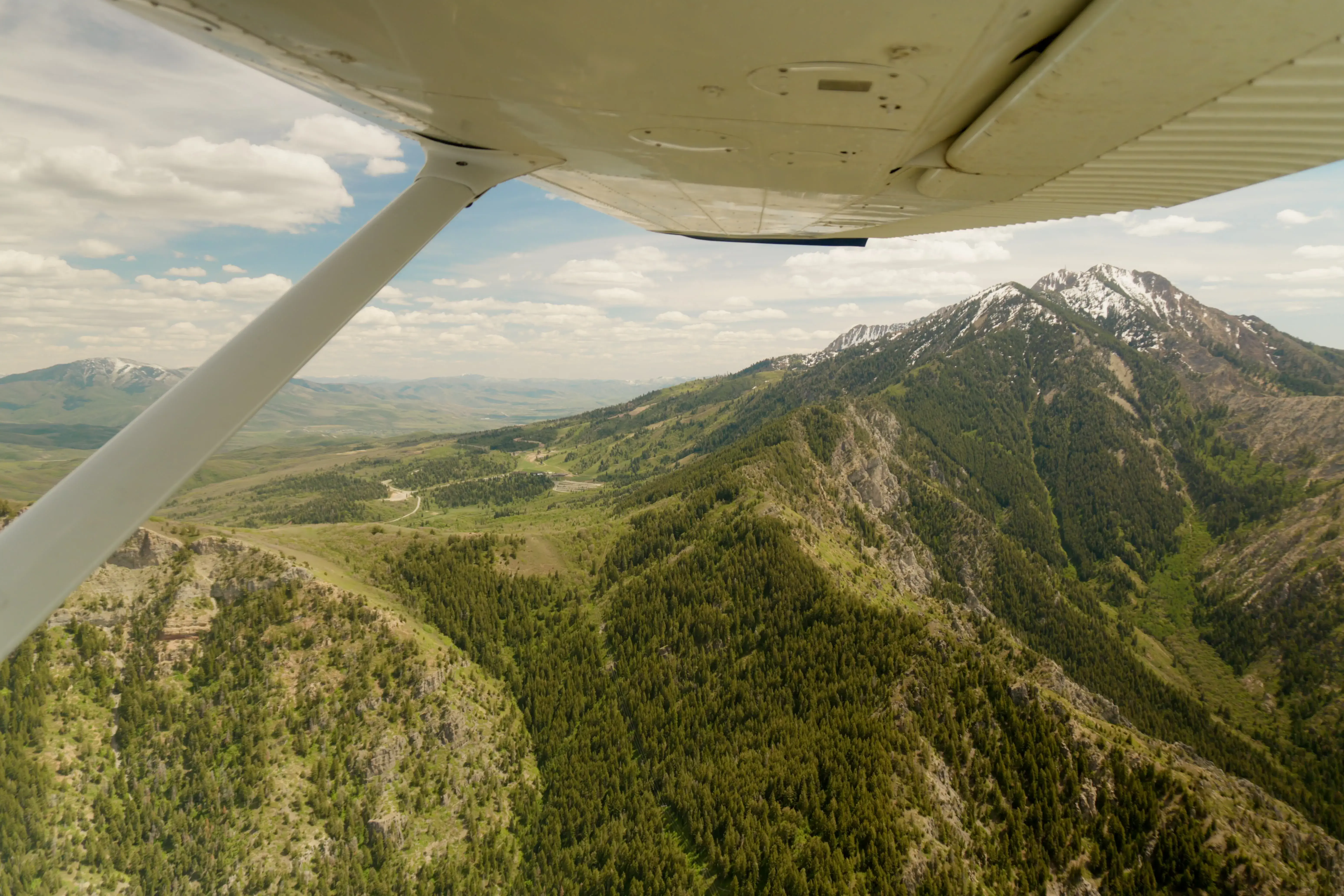
Picture yourself at the edge of a ramp with a notebook in your hand, trying to decide where the next year of lessons will happen. The airport you pick sets how long you wait for a runway, how much weather you fly in, and how many miles you drive before every lesson. A good training airport saves you hours and money, and you can judge one before you spend a dollar.
This checklist works for any airport in the country. It covers seven things to score: traffic, airspace, wind and weather, aircraft, instructors, the cost of getting there, and nearby services. If you are weighing a specific pair of fields, our post on why many student pilots choose Ogden over Salt Lake City airports compares those two directly. If you are still choosing a school, start with our guide to choosing the right flight school in Utah. Here we stay on the airport itself.
Count the wait: traffic and time on the ground
Training is built from repetition: takeoffs, landings, and pattern laps. Every minute you spend holding short of a runway or waiting for a gap on the radio is a minute you are paying for and not learning. Busy airports tend to mean more radio traffic, more waiting, and more airplanes to scan for. A quiet field gives you more practice per hour, but it may offer less exposure to a working tower.
Both types of airport teach something useful. At a towered airport, controllers issue instructions and you learn to follow them. At a non-towered airport, pilots announce themselves on a shared frequency and follow published pattern procedures, so you learn to scan and sequence yourself. Neither is better for everyone. Private pilot training under Part 61 includes takeoffs and landings at an airport with an operating control tower (14 CFR 61.109), so you will meet a tower at some point either way.
Visit at your usual lesson time and watch. Count how many airplanes taxi out, how long they wait, and how crowded the radio sounds. Our post on your first flights at KOGD shows what a pattern lap looks like from the left seat, and the FAA Aeronautical Information Manual explains pattern and radio procedures in detail.
Airspace should grow with you
Airspace is the set of rules around an airport that decides who talks to whom and where you can fly. Complex airspace is a real skill to learn. The question is how fast it arrives. A strong training airport lets you start with simple departures and open practice areas, then adds controlled airspace as your skills grow.
Early lessons typically start with straight and level flight, climbs, descents, and turns, then the pattern, then busier operations. Your instructor decides the pace, so look for an airport that makes a gentle first month possible. Our radio communications guide helps you practice before you sit in the airplane, which takes pressure off the busiest fields.
Wind, weather, and density altitude decide your flying days
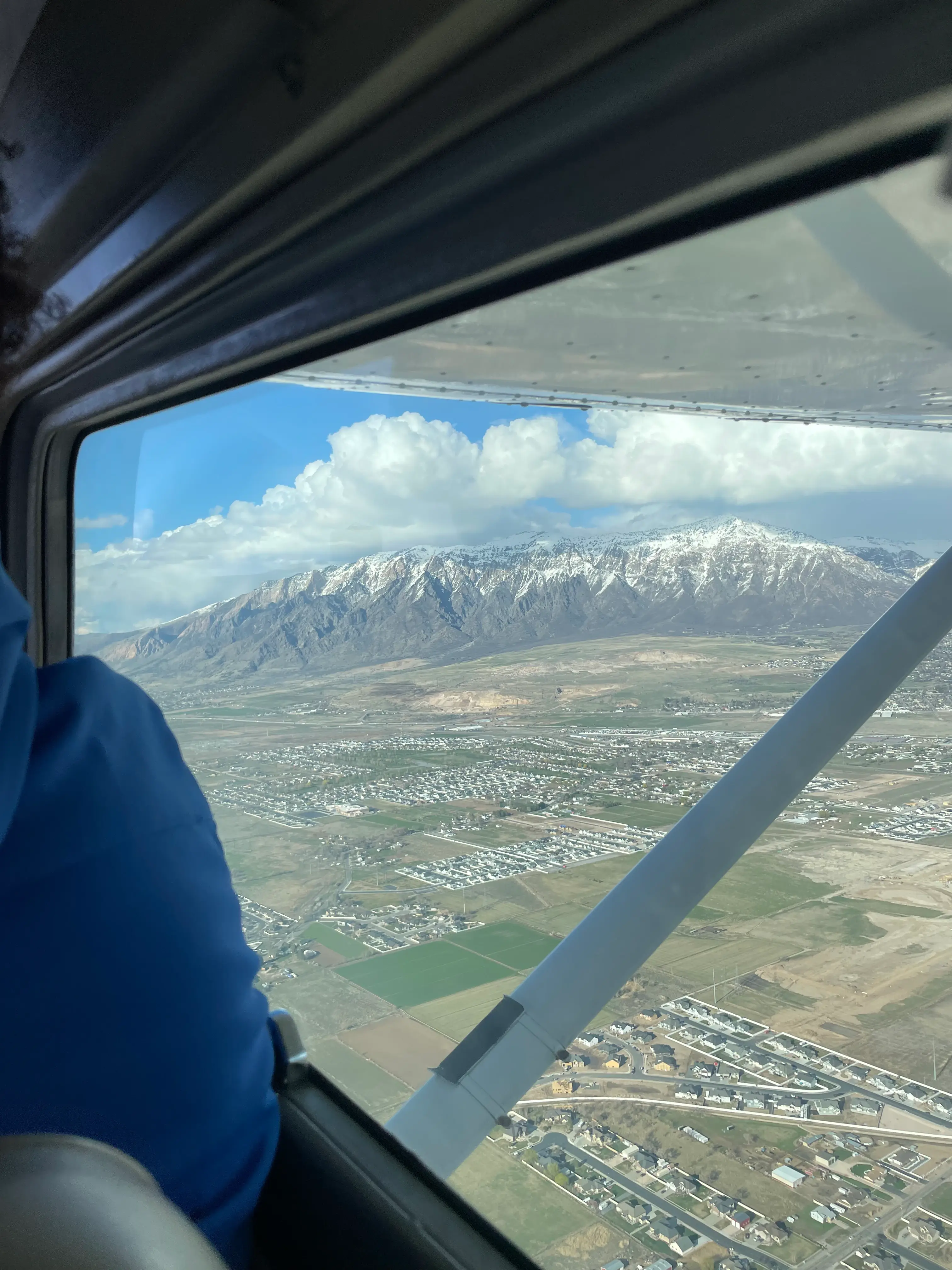
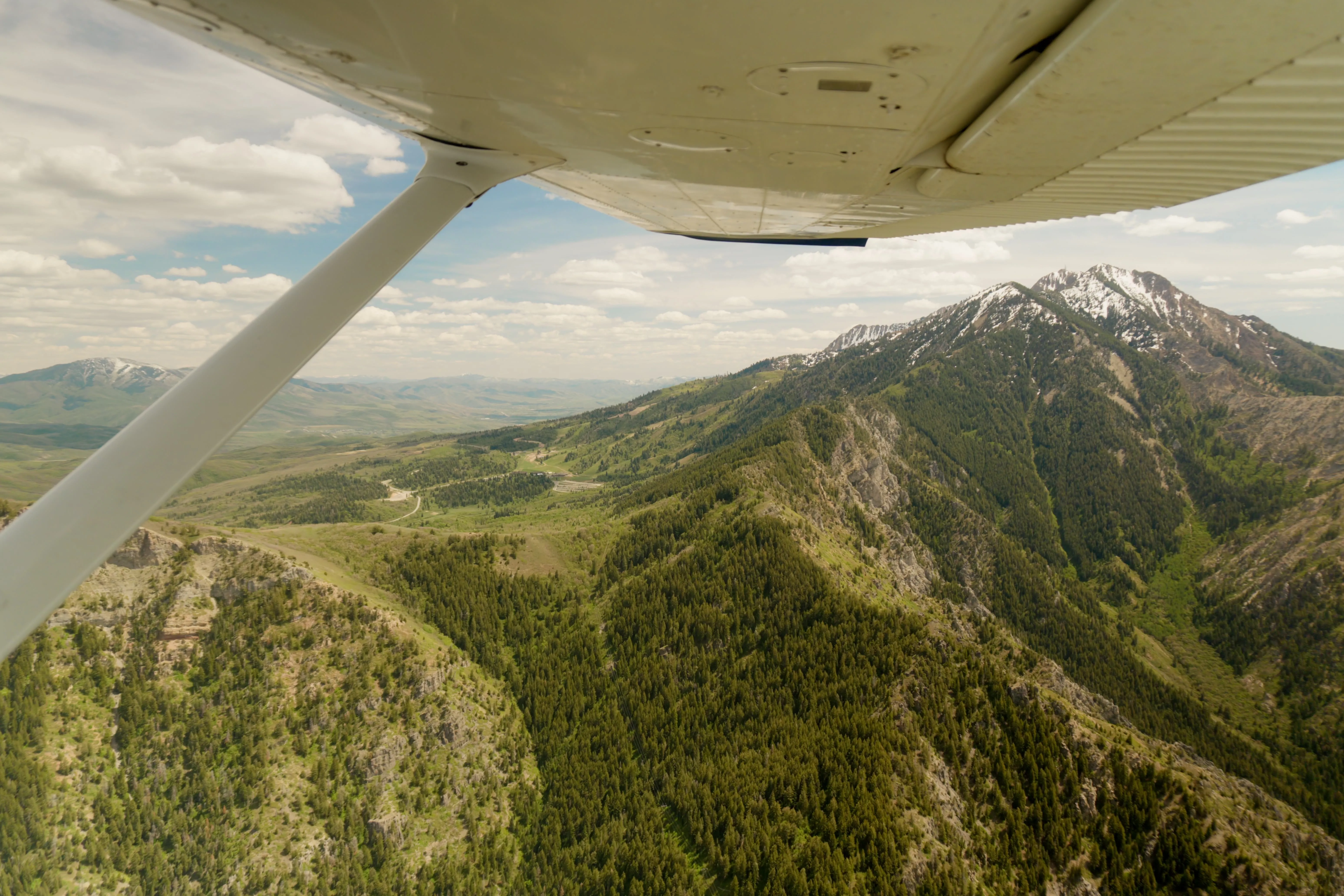
Look at which way the runway points. A runway lined up with the usual wind gives you easy takeoffs and landings. A runway that sits across the wind gives you crosswinds, and strong ones will keep a student on the ground. Then check the elevation. Higher fields and warm afternoons raise density altitude, which thins the air and reduces how well an airplane climbs. Students in mountain country meet this early.
Weather will cancel some lessons anywhere, and no school can promise otherwise. What you can judge is how easily a scrubbed morning moves to another slot. A schedule with a second day or an evening option keeps your momentum when the forecast turns.
Look at the airplanes and who keeps them flying
Walk up to the trainers and look at them in daylight. Do the aircraft look cared for? How many are there? One airplane means one point of failure: a single maintenance event can stop every lesson on the schedule. Aircraft used for flight instruction for hire need regular inspections, including 100-hour and annual inspections, and maintenance records to match (14 CFR 91.409 and 91.417).
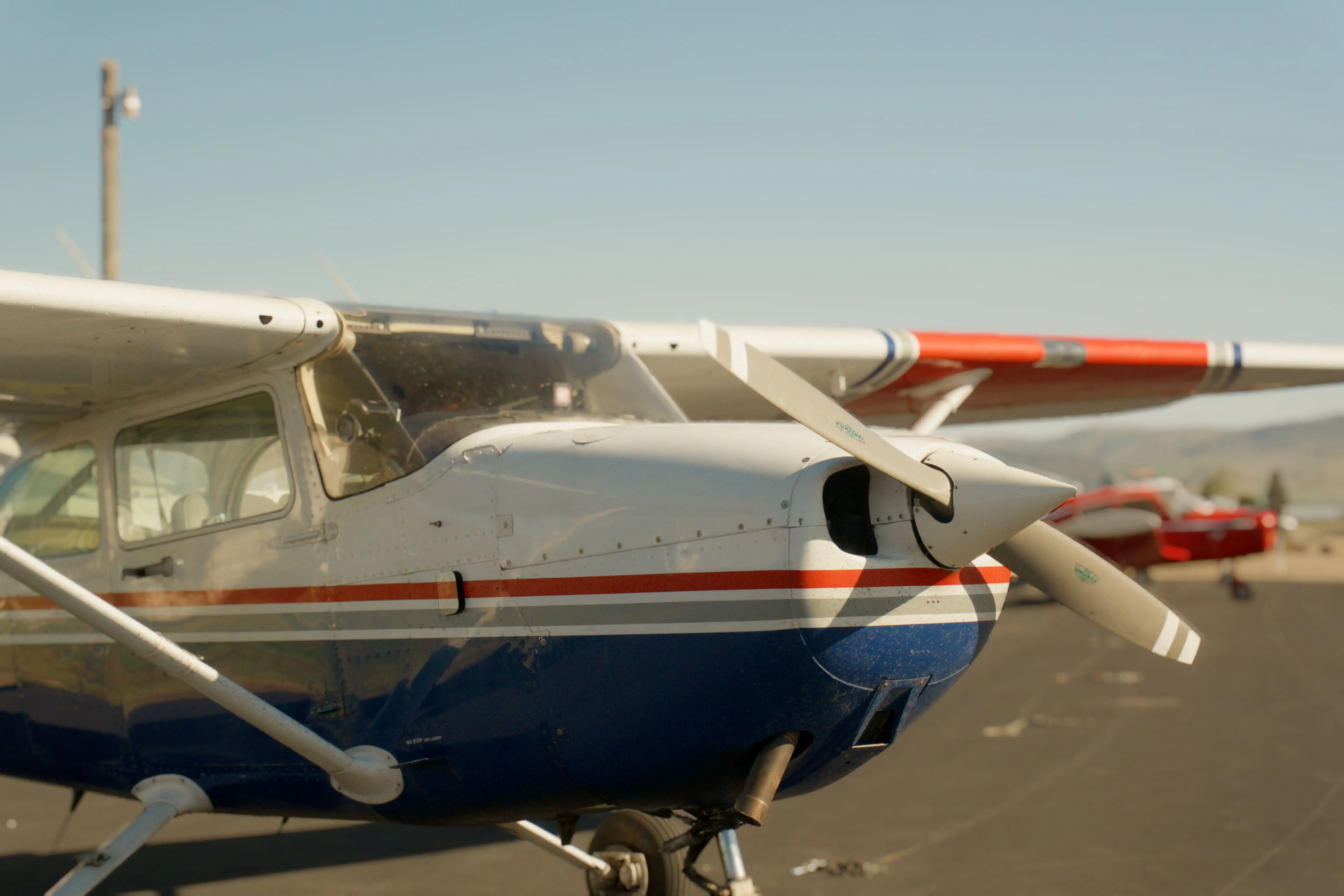
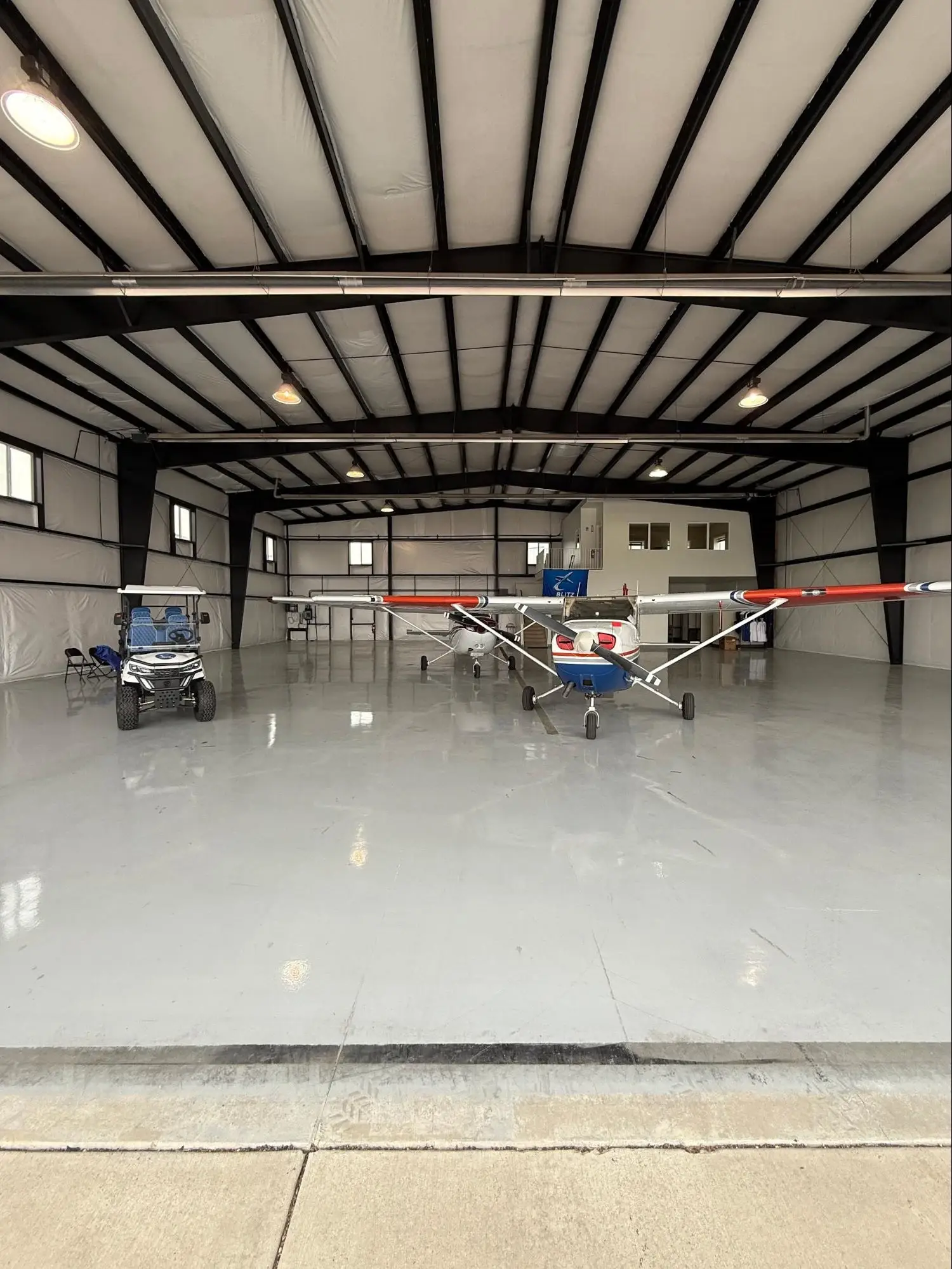
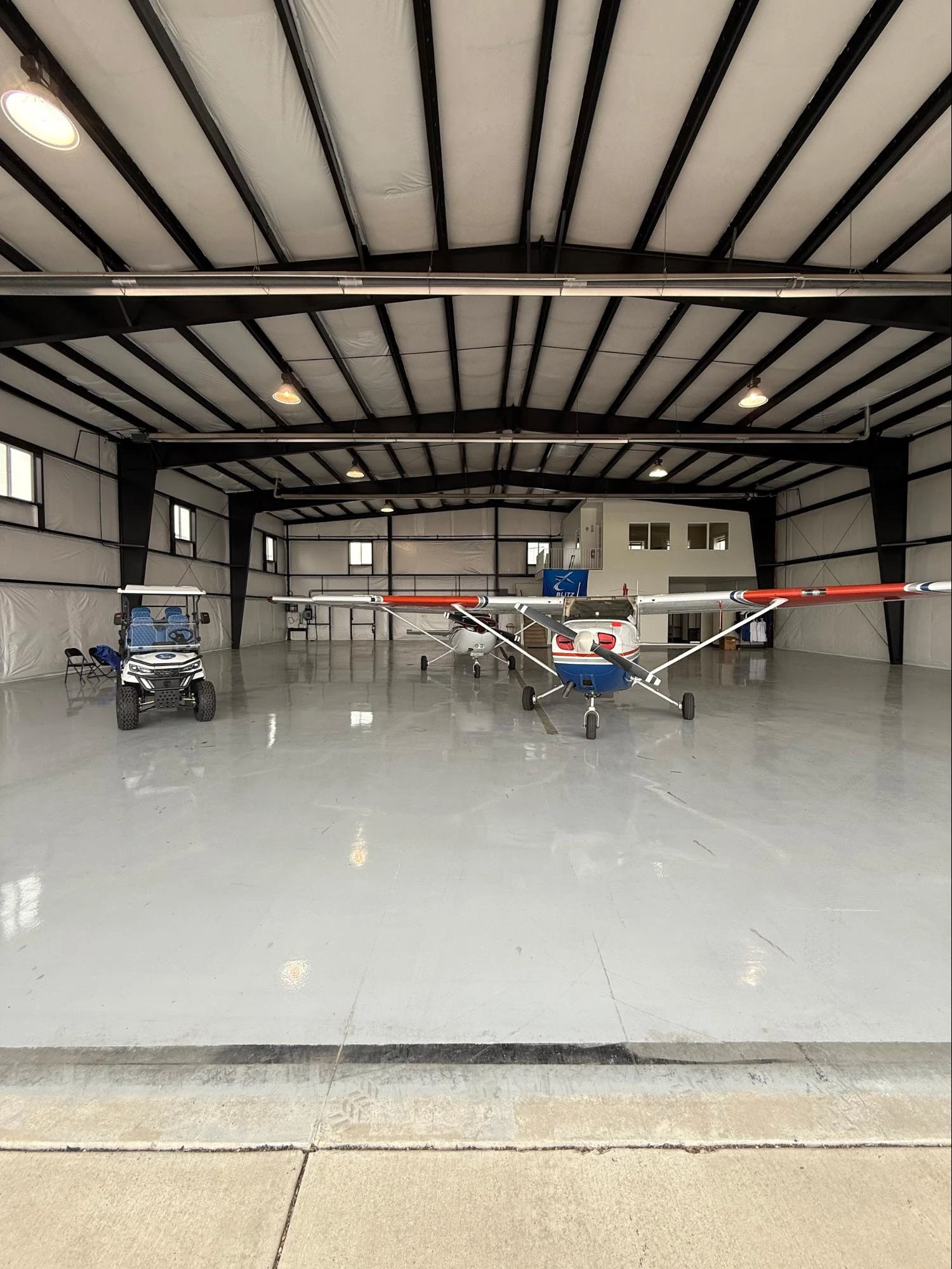
Maintenance on site is not automatically better than maintenance down the road, and outsourced work is not automatically worse. What matters is whether inspections are tracked and whether a grounded airplane gets replaced quickly. Count the airplanes, watch the preflight routine, and find out what happens to the schedule when one airplane is down. Our hangar tour shows how we set up the floor, and you can browse every airplane you can train in through our fleet overview.
Instructor availability can quietly stall your schedule
An airport can be perfect and still leave you waiting if the instructors are booked solid. Training moves fastest when you can fly two to three times a week, and that only works when your instructor has open slots at times you can use. Ask about early morning, evening, and weekend lessons if you work or study during the day.
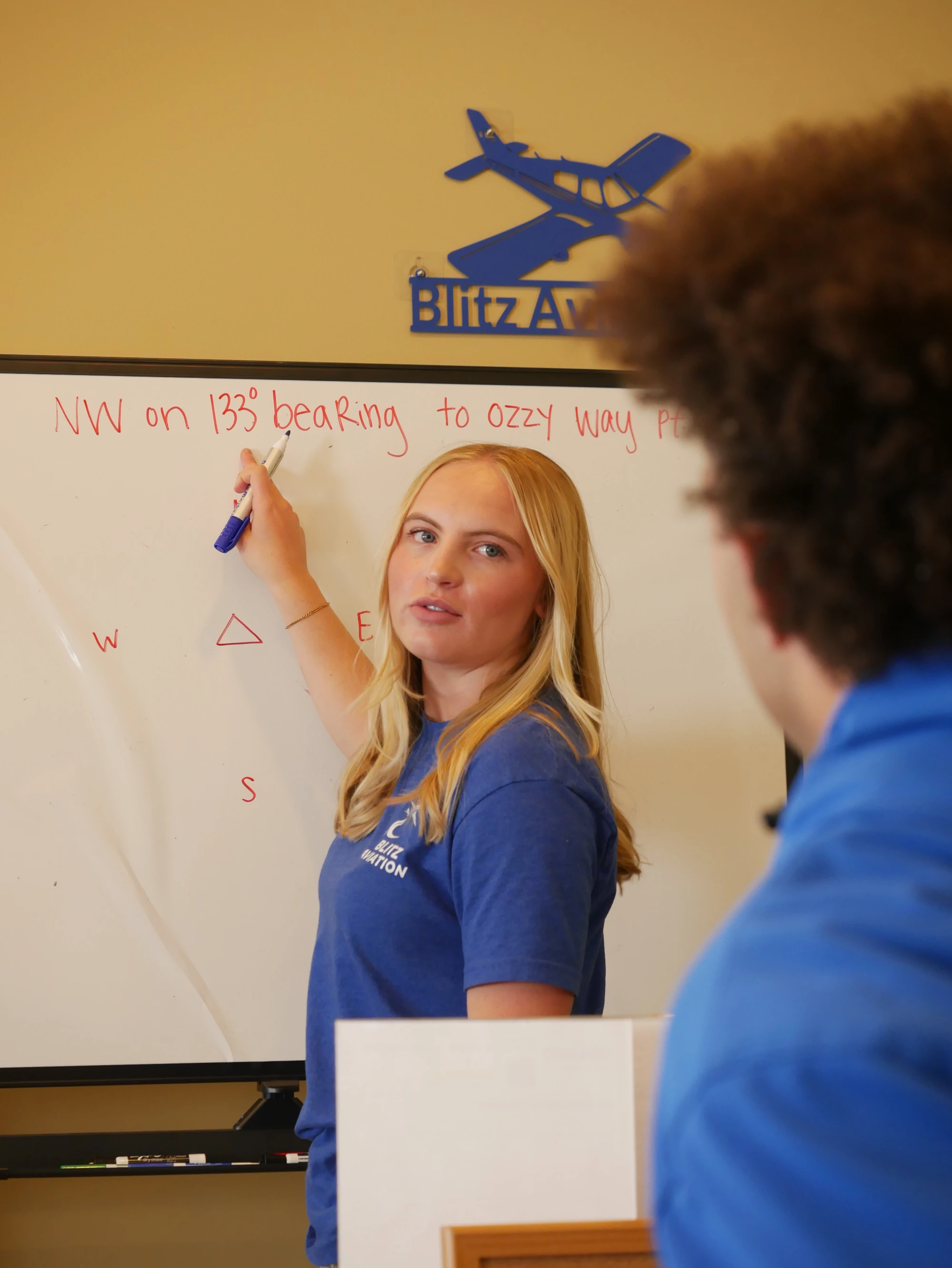
Meet your likely instructor on the visit. Check how the briefing works, how ground study fits around flying, and what happens when a lesson is cancelled. A lesson is a briefing, a flight, and a debrief, and each piece needs a person and a room. If the answers are vague, the schedule probably is too.
The real cost of getting there
Hourly rates get the attention, but travel adds up. Count the drive to the airport, multiplied by two or three lessons a week, over the months your training will take. Add fuel and time for each trip. A field that is closer to home can cost less overall than a cheaper rate across a long commute, and shorter trips make you more likely to keep your lesson days.
Training hours matter too. The FAA sets a minimum of 40 hours for a Part 61 private pilot certificate and notes that the national average is approximately 75 hours. The minimum is a floor for logged hours, and your own total depends on the airport. Congestion, weather, and instructor availability all push your total up or down, which is why the earlier items on this list affect your bill. Other costs include ground school, supplies, the medical exam, and test fees. If financing is part of your plan, our financing partnerships can cover up to 100% of flight training costs, and we can walk you through the details.
Nearby services: where you study, eat, and wait out the weather
Some of your best training time happens off the airplane. Weather holds and cancelled flights leave you with an hour or two to fill, so a quiet place to study and somewhere to eat make a long day easier. If you travel in for accelerated training, check lodging and rental cars too. Our guide to how accelerated flight training works lays out the daily schedule so you know how many hours you will actually spend around the field.
A scorecard you can use on any airport
Rate each item from 1 to 5 on your visit, then compare airports side by side.
| What you check | What you look for on the ground | What it protects |
|---|---|---|
| Traffic and waiting | Airplanes lined up at the runway, a busy or calm radio | Practice minutes per paid hour |
| Airspace | A gentle start, with complexity added as you grow | Your confidence in the first month |
| Wind and weather | Runway direction, elevation, a flexible backup schedule | Lessons that actually fly |
| Aircraft and upkeep | More than one trainer, tracked inspections, a backup plan | Schedule continuity |
| Instructors | Open slots at your times, a clear briefing routine | Two to three lessons a week |
| Cost of getting there | Drive time multiplied by weekly lessons | Your total training bill |
| Nearby services | A place to study, eat, and wait out weather | Long training days |
Weigh the rows by what matters in your life. A parent paying for a teenager’s training may weight upkeep and instructors. A working professional may weight the commute and evening slots.
How we apply this at Ogden-Hinckley
We train out of Ogden-Hinckley Airport (KOGD), and our hangar is at 3911 Airport Rd, Hangar 397, Ogden, UT 84405. Our fleet currently includes six aircraft, and most students begin in one of our Cessna 172s, with the Baron coming in for multi-engine work. If you are searching for a flight school in Ogden, Utah, you can run this whole scorecard on our ramp in one visit. Our student POH library also lets you read about the airplane before you ever sit in it.
Your questions about choosing a training airport
What is the best airport for flight training?
There is no single best airport. The right one has traffic you can handle, airspace that grows with you, flyable wind, reliable airplanes, open instructor slots, and a drive you can keep up. Score the field on a visit and compare.
Is a towered or non-towered airport better for a student?
Each builds different habits. Towered fields build comfort with controllers, and non-towered fields build scanning and self-announcing. Either way, private pilot training includes takeoffs and landings at a towered airport.
How far is too far to drive for lessons?
Multiply the round trip by your weekly lessons. If the drive makes you skip days, the commute is costing you progress. A closer airport that gives you steady lessons usually finishes sooner.
Does a busier airport mean better training?
Not automatically. It gives you more exposure to controllers and traffic, and it can also mean more waiting. Match the traffic level to where you are in training.
Can I see an airport before I enroll?
Yes. A discovery flight is about an hour, with 30 to 45 minutes in the air, and you need no experience. You also get a look at the hangar, a briefing, and a preflight with an instructor.
Walk the ramp before you decide
A scorecard is only useful with real numbers in it. Book a discovery flight and you will see our hangar, meet a Certified Flight Instructor, count the airplanes, and feel the field for yourself. Book your discovery flight or call us at 801-823-4122, and we will see you at Hangar 397.

Blitz Aviation
Professional flight training school near Salt Lake City, Utah, specializing in accelerated pilot programs. Get your pilot license faster with our experienced instructors and modern fleet.