
How to Afford a Private Pilot License: 8 Ways to Save in 2026
Learn how to afford a private pilot license in 2026 with eight ways to lower your total, from steady scheduling and prep to package deals and financing.
Picture the student who flies once a month. Each lesson starts with a review of what faded since last time, and the logbook grows slowly while the bills do not. If you are working out how to afford a private pilot license, this is the first thing to fix, because the biggest savings come from how you train, not from where you cut corners.
Below are eight ways to bring your total down. None of them depend on a discount or a lucky break. They are habits and choices you control. For the price of the license itself, see our Utah private pilot license cost guide, and for the payment routes themselves, see our rundown of private pilot license payment plans.
1. Fly on a Steady Schedule So You Never Pay to Relearn
Consistency is the cheapest lever you have. When lessons sit close together, each one builds on the last, and your instructor spends the hour moving you forward instead of refreshing old skills. Most students train 2 to 3 times a week, which is typically enough for steady progress.
A weekly rhythm also makes your budget predictable. You know what a month of lessons costs, and you can plan around it. Our guide to how accelerated flight training works shows the far end of this idea, with daily lessons that keep skills fresh.
A student who flies every week might need one lesson to learn a maneuver and a second to polish it. A student who flies every month often needs a third lesson, because the first two faded in between. Those extra hours are the most avoidable cost in training, and a calendar reminder is all it takes to prevent them. Pick your weekly lesson days now and treat them like appointments.
2. Show Up Prepared for Every Lesson
Every minute your instructor spends explaining something you could have read at home is a minute you paid for in the airplane. Study the lesson’s topic before you arrive, and you can spend the flight practicing instead of listening.
Start with the checklists and handbooks in our student POH library, which cover our Cessna and Piper trainers. Read the airplane’s procedures before you sit in it, and your preflight and your first lessons go faster.
A simple routine helps. Before each lesson, read the topic your instructor assigned. After each lesson, write down two things you want to do better next time, and review them before you fly again. Walk through your preflight checklist at home so the steps feel familiar on the ramp. Small habits like these shorten the time it takes to reach each milestone, and shorter training means fewer hours on the bill.
3. Start the Knowledge Test Early
The FAA written test is a multiple-choice exam covering topics such as aerodynamics, weather, navigation, and regulations, and you must pass it before the flight test. Students who study the ground material alongside their first flights tend to reach the checkride without a rush at the end.
A rush costs money. If your test prep is not finished when your flying is, you wait, and aircraft time for the checkride sits idle. Our Private Pilot program mixes ground and flight instruction so the two stay in step.
Ground study does not need to be a separate project. Many students read one topic a week, such as weather or regulations, and take practice questions as they go. By the time your flying reaches the cross-country stage, most of the knowledge test material is already behind you, and your instructor can sign you off for the test when you are ready. Our guide to passing your checkride on the first try shows how that preparation pays off at the end.
4. Take a Discovery Flight Before You Commit Money
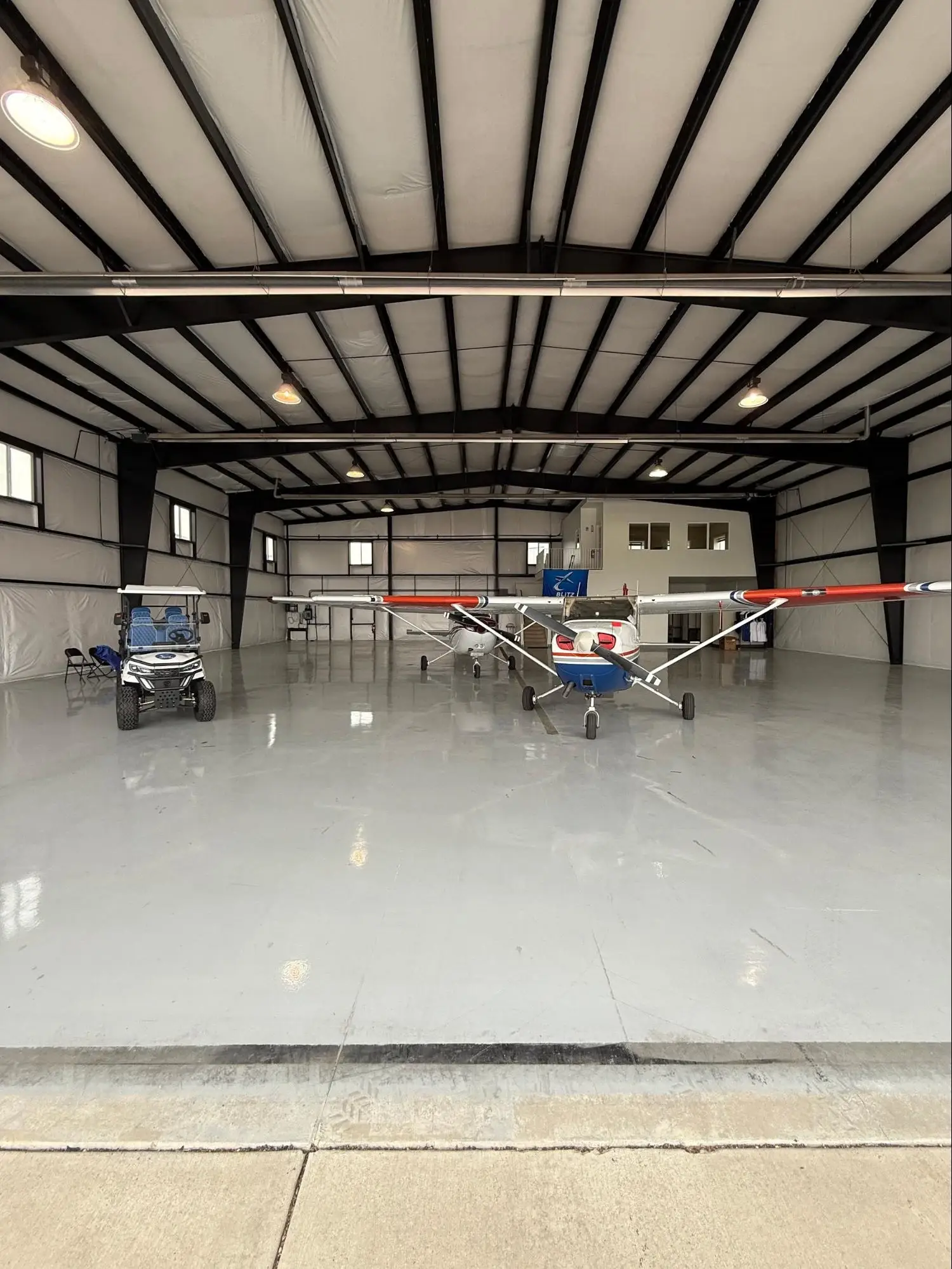
A discovery flight is the cheapest way to find out whether flying is for you. It takes about an hour, with 30 to 45 minutes in the air, and you need no experience. You see the hangar, meet a CFI (certificated flight instructor), and fly.

If you decide to go on, you start with a clear picture of what lessons feel like. Our post on what to expect on your first discovery flight walks through the visit step by step. Seeing the school first protects you from paying for lessons you are not ready to take.
5. Ask About Package Deals
We offer package deals that can help reduce overall costs, and a short conversation before you start shows you what fits. Packages change, so the best way to see what fits your plan is to talk to us directly.
When you call, tell us how often you want to fly and what you are aiming for, and we will line up the options for your training goal. You can reach us at 801-823-4122, or read about the full Private Pilot program first.
Package deals also work best when they match the stage you are about to start. If you plan to train part time, tell us your weekly schedule. If you want to move quickly, our accelerated programs use intensive daily training, and a package built around that pace can simplify your budget into one planned amount instead of many small ones. Either way, a short call costs nothing and shows you what is on the table.
6. Hold Off on Extra Gear Until You Need It
Students often buy a headset, an iPad, and a flight bag before their first lesson. Some of that gear matters, but most of it can wait until your instructor tells you what the next stage needs. Your first lessons use the airplane’s own equipment and the checklists you already have.
Buy what you will use now, and add the rest as your training grows. It keeps early spending low, which is useful if you are still choosing a payment route. Our guide to budgeting a private pilot license by phase shows when each cost usually shows up.
7. Use Financing for the Big Pieces and Cash for the Rest
If you want to spread the cost, financing options may be available to qualified applicants. Stratus Financial offers financing that can cover up to 100% of tuition and training expenses, and Flight Training Finance offers financing up to $100,000 with terms up to 48 months.
A lender helps most when it covers a large, planned piece of training and your cash covers the small recurring costs. Read each lender’s current terms before you apply, and borrow for the amount you plan to use. Our partnership overview has both lenders in one place.
8. Look Into Scholarships and Family Help
Aviation organizations and local groups offer scholarships for student pilots. Deadlines and eligibility rules change every year, so read each application’s current requirements before you plan around one.
Family can help too. A relative can pay for one stage of training or sign on as a co-borrower, and Stratus recommends a co-borrower for the best rates. For students juggling a job, our post on becoming a pilot while working full time shows how to keep a steady schedule with early morning, evening, and weekend lesson slots.
Keep your expectations realistic as you apply these ideas. Every student trains at a different pace, and the FAA’s national average for a private pilot certificate is closer to 75 hours than the 40-hour minimum. Plan for the range, use these habits to land at the lower end of it, and treat any hours you save as a bonus.
Put Your Savings Plan Into Motion
You do not need to do all eight at once. Start with the two that cost nothing: a steady schedule and thorough prep. Then add a payment route that fits how you plan to fly.
One more habit: keep a simple running record of your lessons and what each one cost. A notes app or a spreadsheet is enough. When you can see your hours and spending side by side, you spot drift early, and you can adjust your schedule or your payment route before a small gap grows into a big one.
Book your discovery flight and we will go through your goals, your schedule, and the options that keep your total as low as your training allows. You can also call us at 801-823-4122, Monday through Saturday, 9:00 a.m. to 5:00 p.m.
Blitz Aviation
Professional flight training school near Salt Lake City, Utah, specializing in accelerated pilot programs. Get your pilot license faster with our experienced instructors and modern fleet.