
Private Pilot License Budget by Phase: What to Save in 2026
Plan the cost of getting a private pilot license in 2026 one phase at a time, from first lessons to checkride, with a simple way to build your own budget range.
Most students save for the flying and get surprised by everything around it. The aircraft rental and instructor time fill the first budget, then the knowledge test, the checkride, and the medical show up with their own bills. If you want to plan the cost of getting a private pilot license without surprises, split it into phases and save for each one before it arrives.
This guide walks through five phases, shows what each one costs you in kind, and gives you a way to turn your own numbers into a range. We do not quote prices here because rates change. Call us at 801-823-4122 for current ones, and read our private pilot license cost guide for Utah for the full price picture.
Build a Range, Not a Single Number
Start with two figures from the FAA. A private pilot airplane certificate under Part 61, the flexible FAA training rules, requires at least 40 hours of flight time, and the FAA reports that the national average is closer to 75 hours. The minimum is a floor, not a promise, and most students land somewhere between.
Take your all-in hourly cost for flying, which is aircraft time plus instructor time, and multiply it by 40 and by 75. That gives you a low and a high figure for flight time alone. Then add the extras in the phases below. Saving toward the high end leaves you a cushion, and anything you do not spend is yours to keep.
Your range moves with how often you fly, how much you study between lessons, and the weather. A steady schedule keeps it narrower. Our Private Pilot program is built around a structured syllabus so you can see the whole path before the first lesson.
Write down your hourly cost for the aircraft and your instructor, and call it your all-in rate. Multiply it by 40 for your floor and by 75 for your ceiling. If your number lands between them, you have a realistic range. Then add the extras from the five phases below, such as testing fees and supplies, to both figures. The result is a savings target with a built-in cushion, and it takes ten minutes to build.
Phase 1: Getting Started
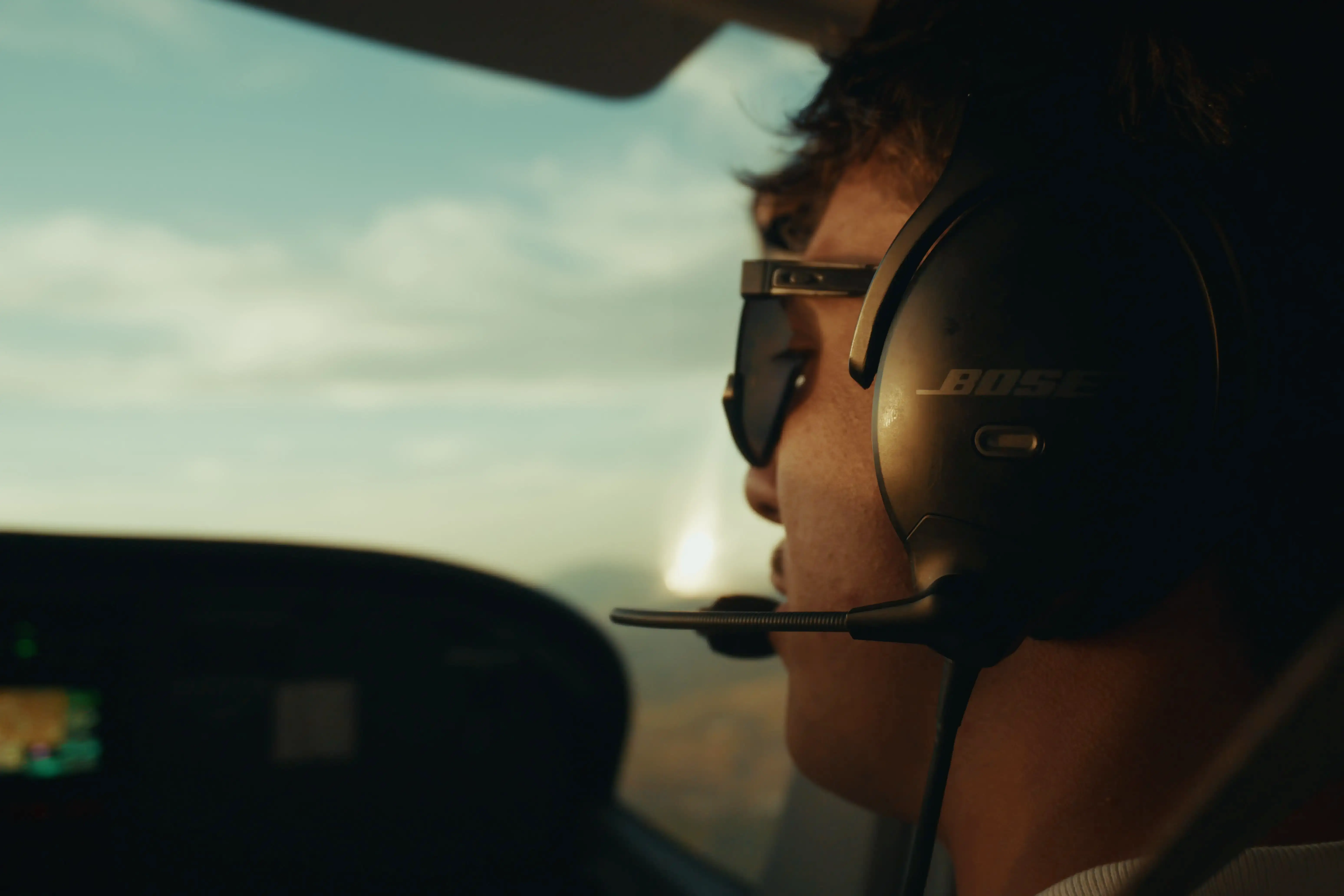
The first phase is small, but it is the one that tests your commitment. You pay for an introductory flight, your medical exam, and the first study supplies. Many students also pick up a headset here.
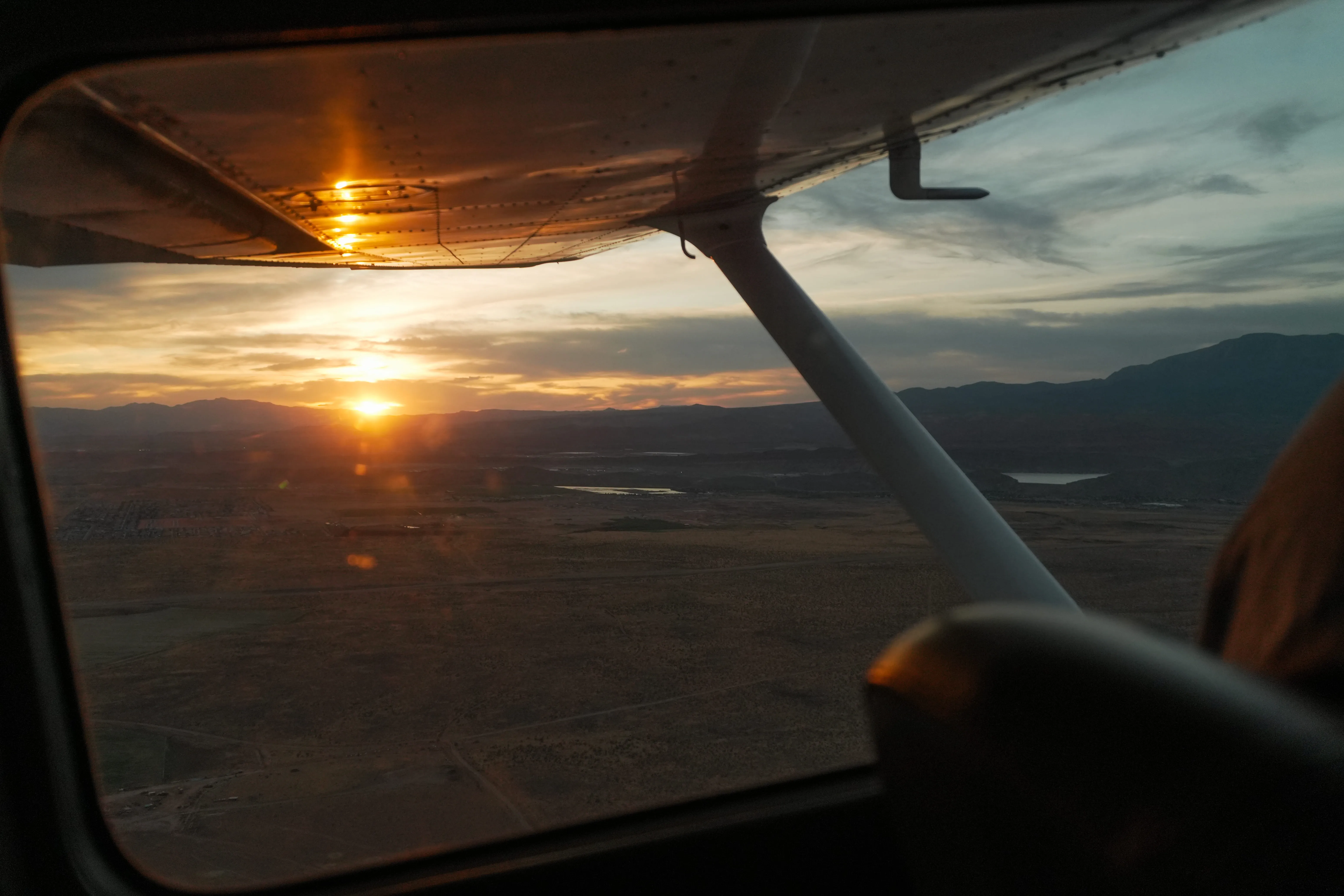
A discovery flight lasts about an hour, with 30 to 45 minutes of flying, and shows you what lessons feel like. Our post on what to expect on your first discovery flight covers the visit. We also help guide you through the FAA medical certificate, so you know what to plan for before you spend on lessons.
Phase 2: Learning to Fly Up to Your First Solo
This phase holds most of your early flight hours. You fly dual with your instructor, learning the traffic pattern, takeoffs, and landings, and you work through ground lessons on the same topics. You need a student pilot certificate before you fly solo, but not to take lessons, and we help you with that step.
Budget for lessons at a steady rate here. Cutting back in this phase costs more than it saves, because gaps between early lessons mean extra review time. A solo flight is also the first big milestone, and it is a good time to check your savings against your range. For a wider look at how lessons flow, see our private pilot license timeline and costs guide.
A good habit in this phase is to check your spending against your plan every few weeks. Compare the hours in your logbook with the hours you budgeted, and adjust early if they drift apart. Catching a gap at the halfway mark is far easier than catching it at the checkride.
Phase 3: Solo Practice and Cross-Country Flights
After your first solo you build skills on your own and with your instructor, including cross-country flights, which are trips to other airports. Flight hours add up faster here, because cross-countries take longer than pattern work.

Fuel, aircraft time, and instructor time all grow with distance, so this is the phase where a low budget gets tested. Our guide to cross-country flights and solo practice shows what these flights involve, which helps you plan the hours.
Phase 4: Test Preparation
Before the flight test you must pass the FAA written test, a multiple-choice exam on aerodynamics, weather, navigation, and regulations. You also prepare for the oral and flight portions of the practical test with your instructor.
Costs in this phase include the knowledge test fee, any extra study supplies, and review flights. If you study alongside your flying instead of at the end, you avoid waiting on your own preparation. Waiting slows you down and keeps you paying for a program you are not progressing through.
The weeks before the checkride are also a good time to review your plan with your instructor. Your instructor can tell you how ready you are, how many review flights make sense, and whether you should schedule the test now or wait. Scheduling the test at the right moment keeps you from paying for extra review flights, and it keeps your savings pointed at the finish line.
Phase 5: The Checkride
The checkride is the final practical test with an FAA-designated examiner. You pay the examiner’s fee and for the aircraft you take the test in, and you may fly a short review lesson beforehand. Plan for a retest fund too, just in case. It is a small reserve and it protects the rest of your plan.
Our post on passing your FAA checkride on the first try covers how students prepare. Saving for this phase early means the checkride is a milestone, not a financial scramble.
Keep a Cushion for the Hours You Cannot Predict
No budget survives contact with the weather. A lesson canceled for conditions moves to another day, and some skills take a few more attempts than you expected. A cushion on top of your range absorbs those surprises without forcing a pause. If you never touch the cushion, it becomes savings toward your next rating.
The cushion also protects your schedule. Students who run out of money mid-phase often stop flying for a month or two, and a long break means extra review lessons when they return. Funding the cushion early keeps your rhythm steady. Our Instrument Rating program is the usual next step for students who keep going, and the same phase-by-phase method works for it.
Put the Phases Into One Savings Plan
Once you have a range and five phases, you can turn your savings into blocks: one for each phase, paid in as you reach it. Here is how the stages line up against what you pay for.
| Phase | What you pay for | When to set money aside |
|---|---|---|
| 1. Getting started | Intro flight, medical exam, first supplies | Before your first lesson |
| 2. To first solo | Dual lessons, ground instruction | Before you start flying regularly |
| 3. Solo and cross-country | More flight hours, fuel, instructor time | During phase 2 |
| 4. Test prep | Knowledge test, review flights, supplies | Before phase 3 ends |
| 5. Checkride | Examiner fee, checkride aircraft time, retest reserve | At the start of phase 4 |
If saving in blocks is not enough, financing options may be available to qualified applicants. Stratus Financial offers financing that can cover up to 100% of tuition and training expenses, and Flight Training Finance offers financing up to $100,000 with terms up to 48 months. Our guide to private pilot license payment plans shows how to match each route to your pace.
Turn Your Budget Into a First Lesson
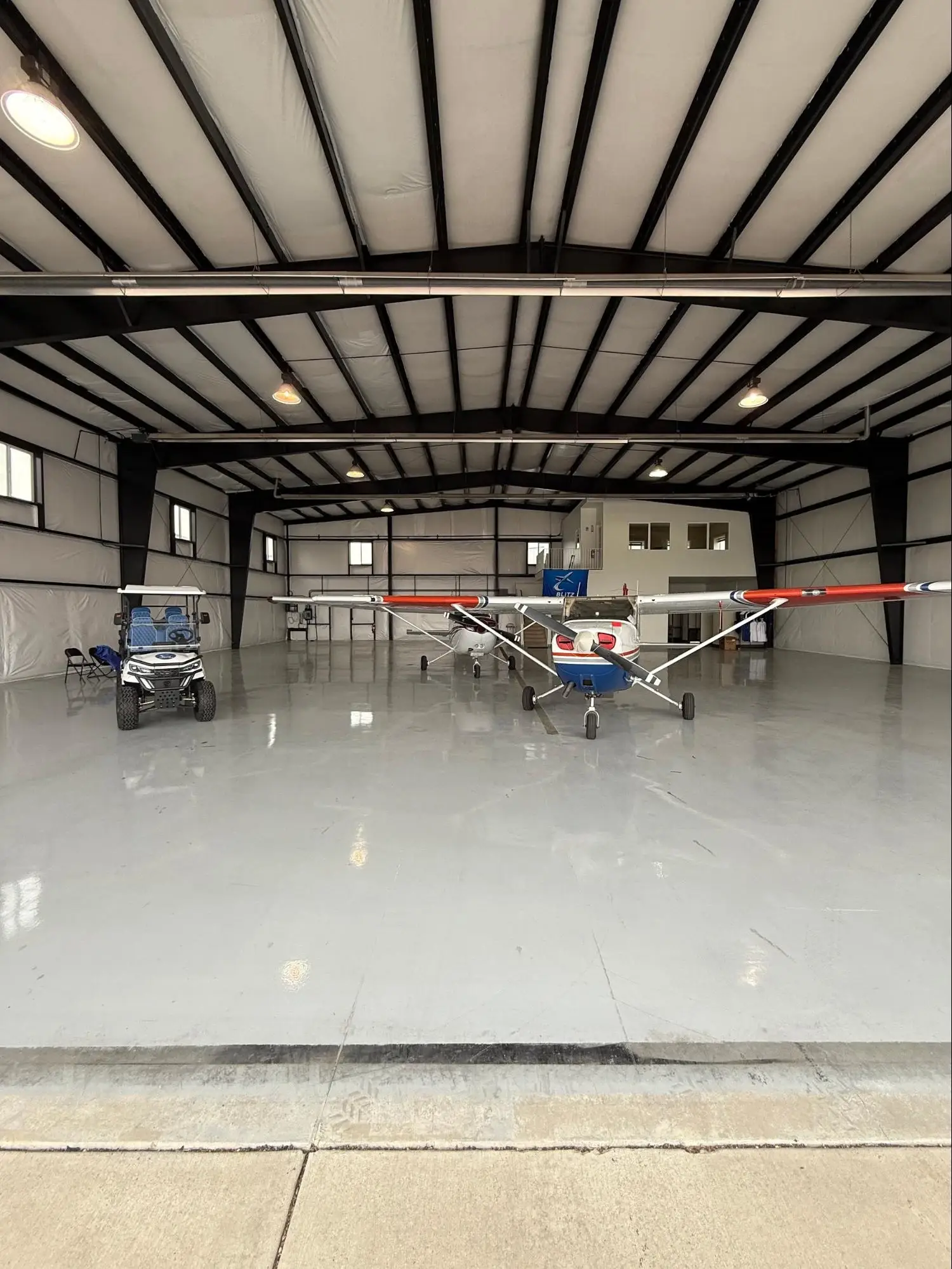
A budget is easier to trust once you have seen the airplane. Start with a discovery flight, meet your instructor, and walk through your range with us while you are at the hangar.
Book your discovery flight and we will help you turn your numbers into a plan. You can also call us at 801-823-4122, Monday through Saturday, 9:00 a.m. to 5:00 p.m.
Blitz Aviation
Professional flight training school near Salt Lake City, Utah, specializing in accelerated pilot programs. Get your pilot license faster with our experienced instructors and modern fleet.