
Pay-As-You-Go Flight Training: How It Works in 2026
See how pay-as-you-go flight training works in 2026, what a month of lessons looks like, and when prepaying a block of lessons makes more sense.

Imagine paying for a lesson the same way you pay for a haircut or a gym class: you show up, you fly, and you settle up afterward. For many students, pay-as-you-go flight training is the plan that gets them into the airplane fastest, because it asks for no large check on day one. Others prefer to pay for a block of lessons up front. Both styles work, and the right one depends on how steadily you will fly.
This guide explains how each style works in general terms, what a month of lessons looks like, and how to pick. It sits next to our guide to private pilot license payment plans, which covers the full set of routes, including lender financing.
What Pay-As-You-Go Means in Flight Training
With pay-as-you-go, you pay for each lesson after you take it. The bill covers the aircraft time and the instructor time for that lesson, plus ground instruction when you have it. You are never paying ahead for flying you have not done.
That keeps your commitment small. If a month gets busy, you can fly less, and if work eases up, you can fly more. There is no balance sitting with the school and no schedule you have to hit to use up a block.
The other style is prepaid, where you pay a set amount before training and use it up lesson by lesson. Some students like it because it fixes the spending in one decision. Others dislike it for the same reason. Call us at 801-823-4122 and we will go through how we set up lesson payments, so you can compare the style to your own budget. For the full path, our Private Pilot program shows what each stage covers.
What a Month of Lessons Looks Like
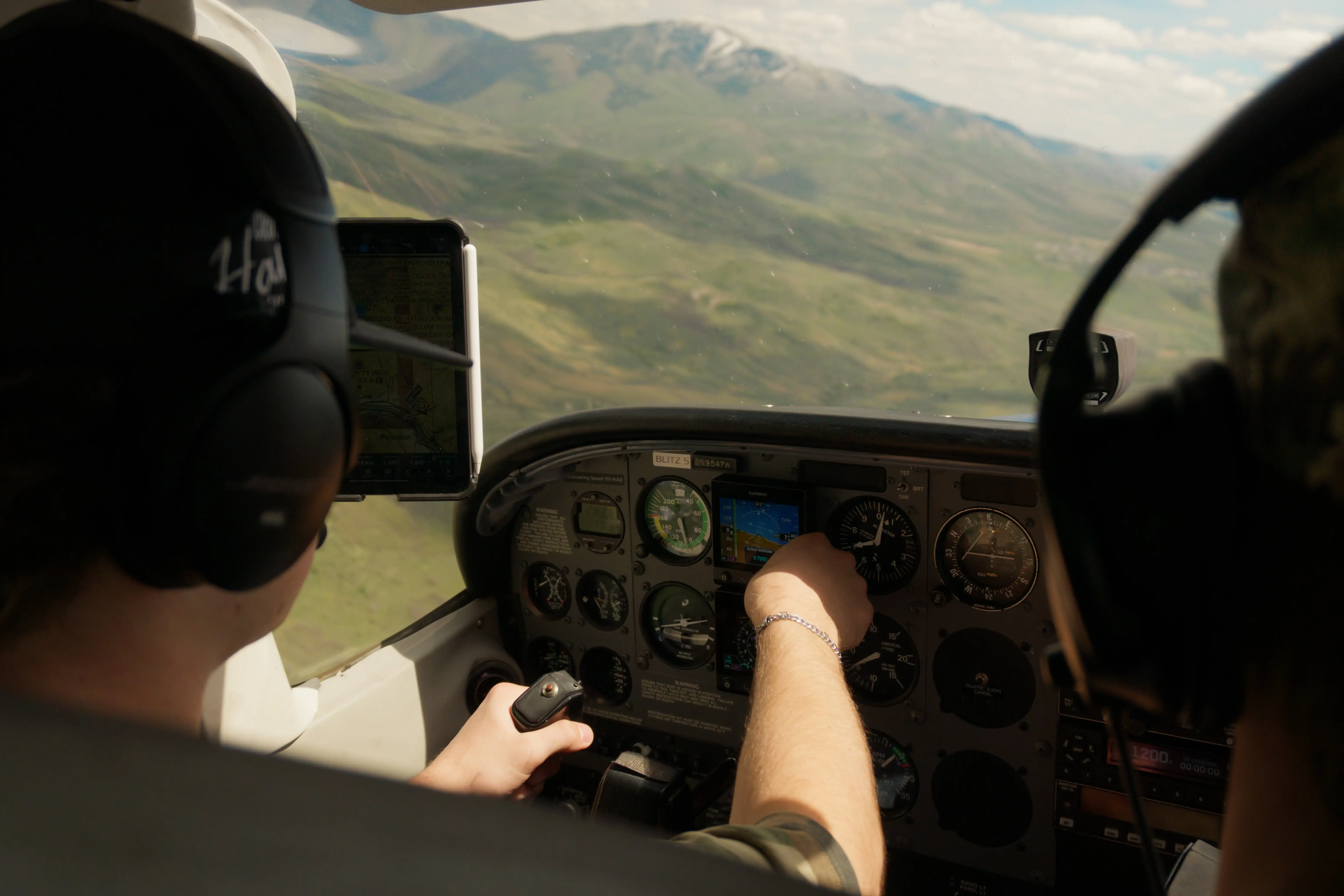
Most students train 2 to 3 sessions a week, which is typically enough for steady progress. In a month, that comes to eight to twelve sessions. Each session usually combines a ground briefing, a preflight with your instructor, a flight, and a debrief.
Pay-as-you-go turns each of those sessions into a small, known cost. You can look at your calendar, count the lessons you plan to take, and set the money aside week by week. It is easy to track because the numbers are small and recent.
Picture a typical week. You brief a lesson with your instructor, fly it, and debrief, and you pay for the aircraft and instructor time that session used. A few days later you do it again. By the end of the week you have two or three small payments, each one tied to something you can remember doing. That tight link between a payment and a lesson is why many students find this style easy to live with.
Early lessons tend to cover straight-and-level flight, climbs, descents, and turns before you move to the traffic pattern and landings. Our guide to your first flights shows what those early sessions look like, so you can picture what each payment buys.
Keeping Pay-As-You-Go From Drifting
Pay-as-you-go gives you freedom, and freedom needs a routine. Pick two fixed lesson days each week and book them well in advance. When weather moves a lesson, rebook it right away instead of waiting for a better week. Set aside money for the next lesson the day you pay for the last one, so the funds are ready when the calendar is.

It also helps to set a monthly lesson target, such as eight sessions, and track it. If you fall short two months in a row, treat it as a signal to adjust your schedule or your payment route. Our Private Pilot program lays out how the stages stack up, so you can see where the time goes.
Where Pay-As-You-Go Works Best
This style fits students whose income arrives monthly and who can fly on a regular rhythm. It suits people who want flexibility, people not ready to commit to a large balance, and people who want to try training before deciding how much to invest.
It also works well when you want to stay in control. If weather cancels a lesson, nothing is lost, because you only pay when you fly. If you need a break, you can take one. That flexibility is a real benefit for a student with a full-time job, and our post on becoming a pilot while working full time shows how early morning, evening, and weekend slots support it.
The one thing to watch is pace. With no balance to use up, there is no built-in push to keep flying. Long gaps between lessons mean you spend part of each flight reviewing, which adds hours. Setting a weekly routine and sticking to it solves this.
When Prepaying a Block Makes Sense
A prepaid block makes sense when you want your training budget settled in one step. If you have savings set aside, paying up front removes the monthly decision and can keep you on a steady schedule, since the money is already committed.
It also fits students on an intensive path. Our accelerated programs use intensive daily training, so the spending comes in a compressed window. When you know you will fly most days for a stretch, a block that matches the stretch is easier to manage than a stream of small payments.
A middle path exists as well. Some students prepay only a short first block, enough to reach a milestone such as their first solo, and then switch to paying as they fly. It gives you the discipline of money already committed with very little of the risk. If your first stage goes well, you can add another block, and if your plans change, your exposure stays small.
Before you prepay with any school, get the terms in writing: what the block covers, what happens to an unused balance, and how scheduling changes are handled. Clear terms protect you if your plans shift. If you are not sure you can use a full block, a smaller block or pay-as-you-go keeps your risk low.
Settle a few practical points before you start with any school: what a lesson charge includes, how ground instruction is billed, and how rescheduling works when weather cancels a flight. These details are easy to settle at the start and hard to untangle later. When you call us at 801-823-4122, we are happy to go through each one for our own lessons.
Pay-As-You-Go Plus Financing
The two ideas also work together. You can pay for lessons as you go from income and use a lender for a larger planned piece. Financing options may be available to qualified applicants, and each lender sets its own terms.
Stratus Financial offers financing that can cover up to 100% of tuition and training expenses, and Flight Training Finance offers financing up to $100,000 with terms up to 48 months, with payments tied to your total cost, your down payment, and how many lessons you take each week. Read each lender’s current terms before you apply. Our post comparing lender financing and pay-as-you-go goes deeper on that choice.
Use a Simple Rule to Choose
If you can fly at least every week and you want flexibility, start with pay-as-you-go. If you have savings and you want your plan settled, a prepaid block can fit. If you want to spread a larger cost over time, look at lender financing, or mix it with lessons paid as you go.
Pick the style that keeps you in the airplane on a steady rhythm, because a steady rhythm is what keeps the total down. Our post on how to afford a private pilot license has more ways to protect that rhythm.
Remember that the billing style never changes the training itself. You get the same briefings, the same preflights, and the same debriefs. What changes is the way you manage the money around them, and that is a personal choice. Many students start with pay-as-you-go because it is the easiest to begin and the easiest to adjust.
Take the Next Step Toward Your First Lesson
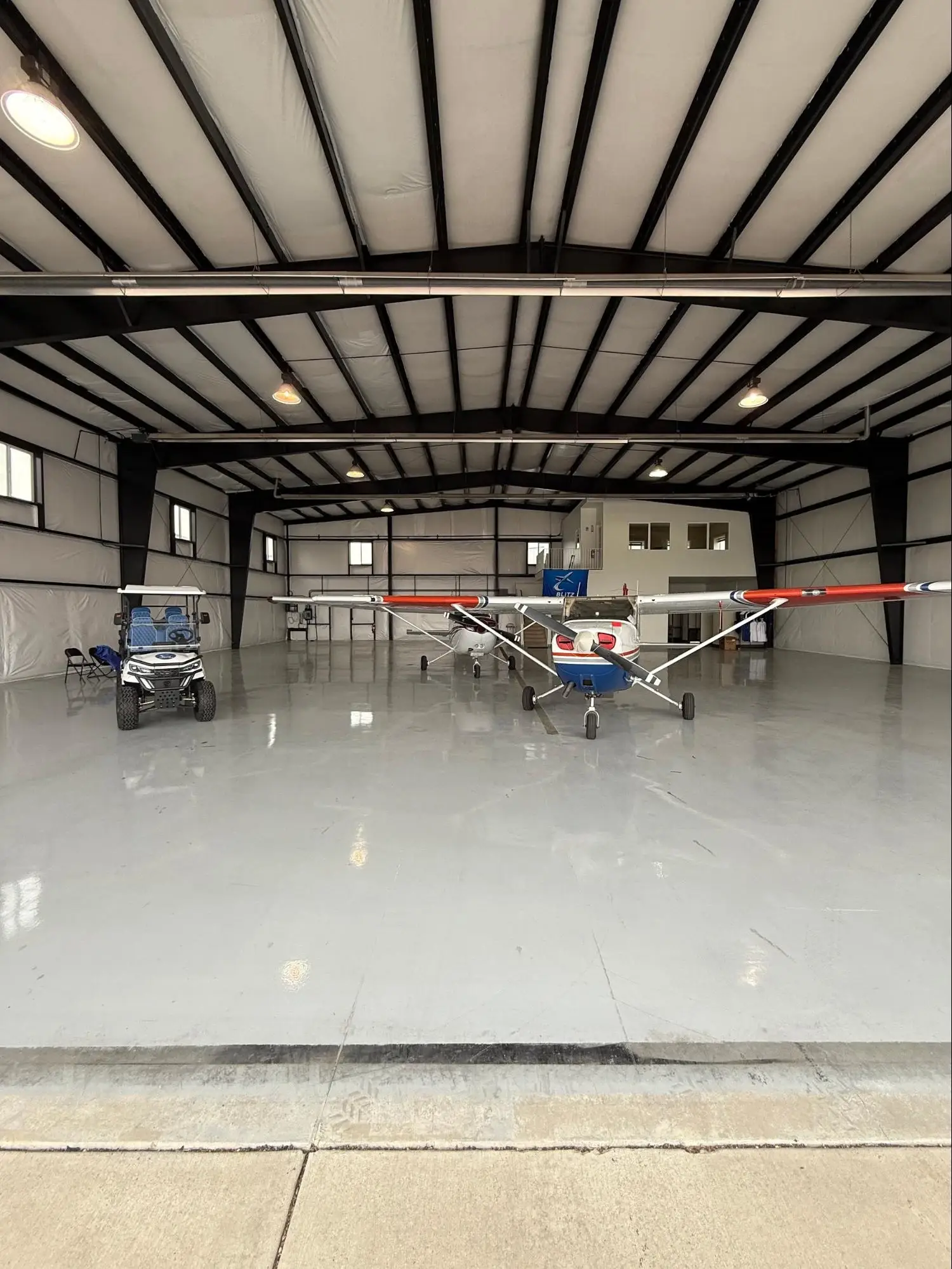
The easiest way to compare billing styles is to see the training for yourself. Start with a discovery flight, meet your instructor, and talk through the numbers with us at Hangar 397.
Book your discovery flight and we will help you choose the payment style that fits your pace. You can also call us at 801-823-4122, Monday through Saturday, 9:00 a.m. to 5:00 p.m.

Blitz Aviation
Professional flight training school near Salt Lake City, Utah, specializing in accelerated pilot programs. Get your pilot license faster with our experienced instructors and modern fleet.