
Lender Financing vs Pay-As-You-Go Flight Training in 2026
Compare private pilot license financing with pay-as-you-go lessons in 2026: cost, flexibility, pace, and who each one fits, with a simple way to decide.

You have two good ways to pay for training, and one decision to make before your first lesson. Private pilot license financing spreads the cost over months or years, and pay-as-you-go keeps your spending tied to the lessons you actually fly. Choosing between them is easier when you compare them on the same four points: cost, flexibility, pace, and who each one fits.
This comparison covers both routes in plain language. If you want the wider list of options first, our guide to private pilot license payment plans lays out all four.
How Each Route Works
With lender financing, an outside lender pays for your training and you repay it over time. Financing options may be available to qualified applicants, and each lender sets its own terms. We work with two: Stratus Financial, whose financing can cover up to 100% of tuition and training expenses, and Flight Training Finance, whose financing goes up to $100,000 with terms up to 48 months.
With pay-as-you-go, you pay for each lesson after you fly it. There is no loan and no balance with the school. Our explainer on pay-as-you-go flight training shows what a month of lessons looks like.
Both routes cover the same training. The difference is when the money moves, and that difference shapes everything else on this page.
Cost: What You Pay and When
The training itself costs the same either way. What changes is the shape of the spending. Pay-as-you-go spreads it over your lessons, and you pay only for the flying you do. Financing spreads it over the loan term, and a loan adds the lender’s cost of borrowing on top of the training.
We do not quote rates, because each lender sets its own and they change. Read the current terms on the lender’s page, and weigh them against what you can comfortably repay. A loan helps when it covers a large, planned amount. It costs more than it should when you borrow for lessons you could have paid for from income.
Flight Training Finance builds a payment from your total training cost, the down payment you choose, and how many lessons you plan to take each week. That is useful, because it puts you in control of the size of the monthly bill. Our Private Pilot program lays out the stages you would be funding.
Flexibility: What Happens When Life Changes
Pay-as-you-go is the more flexible route. If work gets busy or money is tight, you fly less and pay less. If something unexpected comes up, there is no payment tied to a lesson you did not take.

Financing is steadier but less elastic. Your repayment schedule runs whether you fly that month or not, so it fits best when you plan to train on a regular rhythm. Some lenders also offer options that ease the early months. Stratus offers payment deferment options for pilots building toward a flight instructor career, which can help when your income starts later than your training.
Weather can delay a lesson on either route. Because pay-as-you-go charges only for the flying, a cancelled lesson costs nothing, while a loan payment stays due. Neither route is wrong, they simply handle gaps differently.
Pace: Which Route Keeps You Flying
Pace is where the two routes pull apart. With a loan, the money is already in place, so nothing stops you from flying as often as your schedule allows. That suits students who want to finish quickly. Our accelerated programs use intensive daily training, and a lender that funds the whole program matches that pace.
Pay-as-you-go depends on your monthly income, so your pace follows your pay. For a student training 2 to 3 times a week, that is usually enough. For a student who wants to fly daily for a month, it can feel like a brake.
Long gaps between lessons add review time, which adds hours. Whichever route you pick, choose the one that lets you fly at least every week. Our guide to how to afford a private pilot license has more ways to keep that rhythm steady.
Side by Side: A Quick Comparison
This table puts the two routes next to each other on the points that usually decide it.
| Point | Lender financing | Pay-as-you-go |
|---|---|---|
| How you pay | A lender funds training, and you repay over time | You pay for each lesson after you fly |
| Cost shape | Training cost plus the lender’s borrowing cost | Training cost, paid lesson by lesson |
| Flexibility | Repayment schedule stays fixed | Spending follows how much you fly |
| Pace | Money is in place for a faster schedule | Pace follows your monthly income |
| Fits you when | You want the cost spread out or need to fund a larger path | You have steady income and want full control |
Who Each Route Fits
Picture a career changer who wants to move from the Private Pilot program toward a professional path. A lender that funds multiple stages can fit, because the plan covers a long run of training. Our Zero-to-Hero program shows what that longer path looks like, and Stratus is built with career pilots in mind.

Picture a weekend flyer with steady income who wants to fly for the love of it. Pay-as-you-go fits, because the spending follows the flying and nothing is owed in a slow month.
Many students end up in the middle. They pay for lessons from income and finance one larger piece, or they use savings for the first block and a lender for the rest. A mix is common, and it is a good fit when neither pure route matches your life.
Take two students. One earns a steady paycheck and plans to fly twice a week for a few months. Pay-as-you-go matches her income and costs nothing extra to arrange. The other wants to move into professional training right after his private certificate, so he looks at a lender that can cover several stages and defer payments while he builds experience. Both picked well, because each plan followed a schedule.
A Simple Way to Decide
Answer three questions. Can your income cover the lessons you plan to fly each month? Do you need to fly faster than that income allows? Is your goal a private pilot license only, or a longer path toward a career?
If income covers your lessons and your goal is the private license, start with pay-as-you-go. If you want to move faster or you are building toward a career, look at lender financing. If you land in between, mix them.
Whichever you choose, read the current terms before you commit, and borrow only what you plan to use. Our partnership overview has both lenders in one place, and our post on Blitz Aviation and Stratus Financial explains how that partnership works.
You can also change routes later. A student who starts with pay-as-you-go can add financing for a later stage, and a student who starts with a loan can switch to paying as they fly once income allows. Your first choice is not permanent, so it is fine to begin with the route that feels most comfortable.
Three Mistakes to Avoid When You Choose
The first mistake is borrowing more than you plan to use. A loan feels easy because the money is available, but every extra dollar borrowed adds to what you repay. Borrow for the stages you have mapped out, and pay for small recurring costs from income.
The second is choosing a route that does not match your pace. A student who flies once a week does not need a plan built for daily lessons, and a student who wants to finish in a compressed window should not rely on a month-to-month budget. Match the route to the schedule you will really keep.
The third is skipping the terms. Read the current terms on each lender’s page, including what the financing covers and when repayment begins, before you apply. Our Private Pilot program lays out the stages the money would cover, which makes it easier to judge the amount you need.
Take the First Step and Settle Your Plan
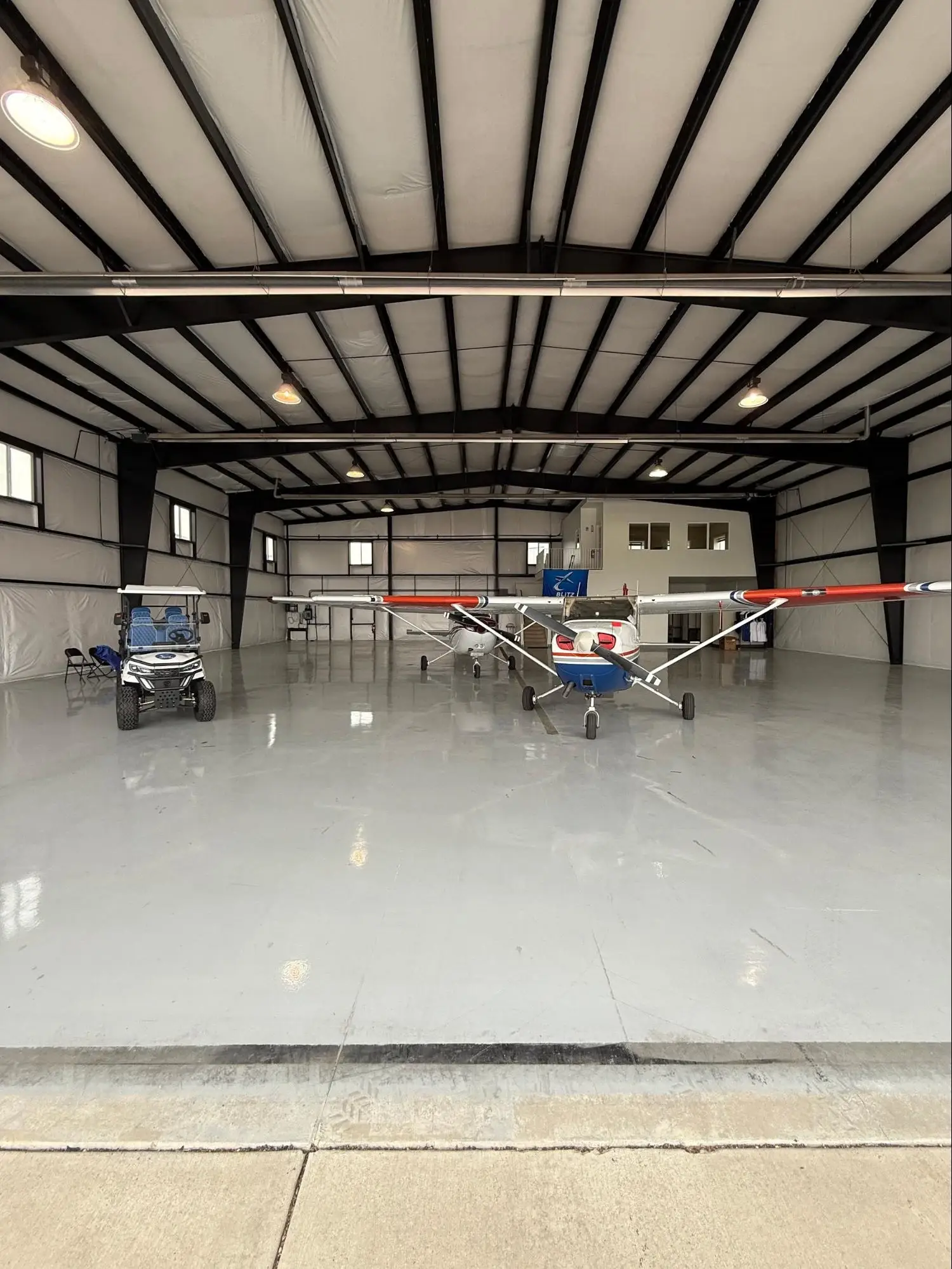
The clearest comparison happens at the hangar. Start with a discovery flight, meet your instructor, and talk through both routes with us while you see the airplane you will train in.
Book your discovery flight and we will help you choose between financing and pay-as-you-go. You can also call us at 801-823-4122, Monday through Saturday, 9:00 a.m. to 5:00 p.m.
Blitz Aviation
Professional flight training school near Salt Lake City, Utah, specializing in accelerated pilot programs. Get your pilot license faster with our experienced instructors and modern fleet.